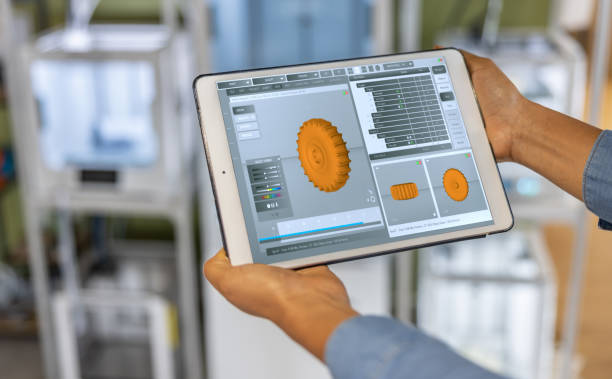
Product teams want speed, accuracy, and flexibility. However, reaching these goals requires the right production method. Therefore, many developers now rely on CNC machining services for prototypes to shorten development cycles and improve design quality. This approach supports fast iterations, high precision, and consistent performance.
Modern industries also demand parts that match their final specifications early in the testing phase. Because of that need, CNC machining offers a stable way to verify structures, dimensions, and material behaviors. It allows engineers to test ideas, adjust quickly, and move toward mass production with confidence.
Why Rapid Iteration Determines Product Success
Today’s markets move fast. New designs appear daily. Therefore, companies must test ideas quickly and refine products before competitors do. Slow prototyping leads to delays, higher costs, and weaker outcomes.
CNC machining improves this process. It transforms digital designs into real parts with speed and accuracy. Teams then use these parts to identify issues and optimize functions. Because of this efficiency, CNC machining becomes a strong choice for fast-moving development cycles.
How CNC Machining Services for Prototypes Improve Development
CNC machining does more than cut materials. It delivers consistent and repeatable parts that reflect final-stage quality. This benefit increases confidence during testing and adjustment.
Key Benefits of Using CNC Machining Services for Prototypes
Produces accurate and repeatable details.
Supports many metals and plastics.
Delivers stable structures for testing.
Reduces redesign and rework time.
Enables quick adjustments and re-running.
These features help teams move from ideas to validated designs faster.
Why CNC Machining Is Ideal for Engineering Teams
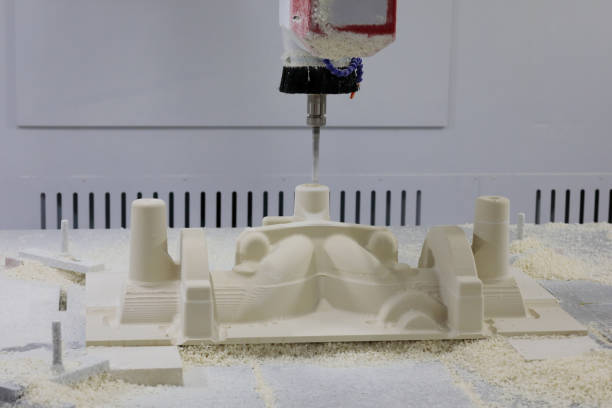
CNC machining remains a trusted option because it combines precision with speed. Many industries depend on it to test mechanical strength, functional fit, and final-shape geometry.
High Precision Improves Testing Accuracy
CNC machines follow programmed paths. Therefore, they deliver consistent results with tight tolerances. This precision improves prototype reliability.
Material Options Support Real-World Tests
Engineers want to test prototypes using final materials. CNC machining supports metals, plastics, and composites for realistic evaluation.
Fast Turnaround Reduces Project Delays
Projects require fast output. CNC machining delivers prototypes quickly because it does not require molds or long setup times.
Why CNC Machining Services for Prototypes Enable High-Speed Iteration
Product development requires multiple rounds of testing. CNC machining supports this process with repeatable outputs that help engineers refine designs with minimal risk.
Consistent Quality Supports Reliable Comparisons
Testing different design versions becomes easier when each prototype maintains a high standard. CNC machining ensures stable accuracy.
Strong Durability Helps Long-Term Testing
Machined prototypes withstand stress. This allows teams to test function, pressure, and torque in real conditions.
Reduced Errors Improve Efficiency
Because CNC parts follow digital data, errors remain low. This stability shortens adjustment cycles.
How CNC Prototyping Saves Time and Cuts Costs
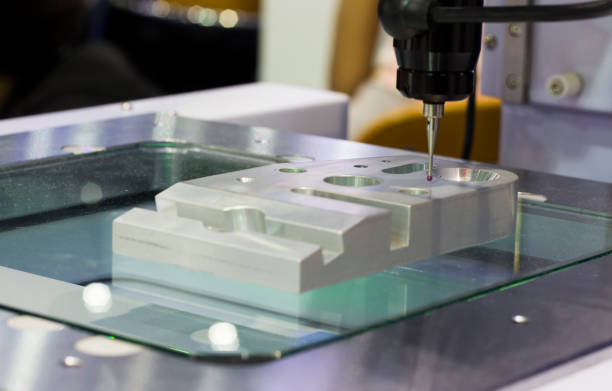
While CNC machining does not always offer the lowest initial price, it reduces hidden costs by improving speed, accuracy, and iteration flow.
No Molds Required
CNC machining starts immediately. It avoids expensive tooling and reduces preparation work.
Fast Reprogramming Enables Quick Revisions
Engineers modify the CAD file, upload new data, and produce new parts. This process speeds up design verification.
Lower Redesign Costs
High accuracy reduces mistakes. Fewer mistakes lower overall project costs.
Why Oakon Supports Better Prototype Development
Reliable partners improve development outcomes. They enable stable quality, efficient machining, and continuous support.
Choose the Oakon. It ensures high precision, consistent tolerance control, and stable machining for fast and effective prototype iteration.
How to Improve Your Prototype Workflow with CNC Machining
Teams can optimize their development cycles by integrating precise machining with structured testing. CNC machines help transform digital ideas into physical parts quickly.
Recommended Steps for a Strong Prototype Workflow
Start with accurate 3D modeling.
Choose materials that match final use.
Use CNC machining for test accuracy.
Review results and adjust designs quickly.
Repeat machining with revised data.
This process drives continuous improvement and faster validation.
Choose the Right Material for Every Test
Materials shape prototype results. Therefore, engineers should select materials based on function, strength, and test goals.
Common CNC Prototype Materials
Aluminum for structural testing.
ABS for functional testing.
Stainless steel for strength tests.
Nylon for wear resistance.
Polycarbonate for impact testing.
These materials help engineers evaluate performance in different scenarios.
Ensure Dimensional Accuracy for Reliable Results
Dimensional accuracy matters in prototypes. Using CNC machining helps maintain tight tolerances across multiple versions.
Checklist for Precision Control
Confirm CAD accuracy.
Set proper cutting speed.
Choose correct tool paths.
Review tolerance reports.
Inspect parts after machining.
Following these steps improves prototype effectiveness and iteration speed.
Conclusion
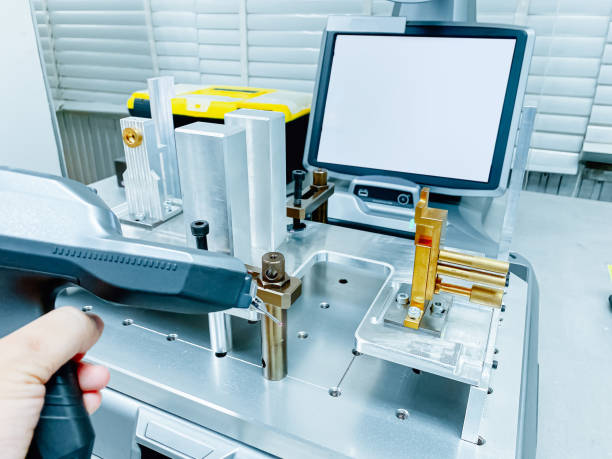
Rapid iteration shapes product success. Companies must test designs, refine concepts, and validate functions quickly. CNC machining services for prototypes support this process with high precision, fast turnaround, and stable performance. They deliver accurate parts that help teams detect issues early and make informed design changes.
Machined prototypes also allow deeper testing, stronger durability checks, and reliable comparison between versions. This improves efficiency and reduces development risk.
Choose the Oakon for stable machining, precise tolerances, and reliable support across your full prototype development cycle.
FAQs
1. Are CNC machining services for prototypes faster than 3D printing?
Yes. CNC machining delivers stronger materials and faster turnaround for many designs, especially metal parts.
2. Can CNC machining produce complex prototype shapes?
Yes. Modern CNC machines create complex geometries with high accuracy.
3. Is CNC machining suitable for functional testing?
Yes. Machined parts use strong materials, making them ideal for stress and performance tests.